Grungy Brush Strokes and Dirty Brushes: The Ultimate Creative Toolkit
In the digital age, where perfection is often just a click away, there is a growing hunger for imperfection. Clean lines and vector smoothness have their place, but they can sometimes feel sterile or overly manufactured. This is where Grungy Brush Strokes and Dirty Brushes step in to reclaim the soul of design. These elements bring texture, history, and a raw, human touch to projects that might otherwise lack character. Whether you are a seasoned graphic designer, a craft enthusiast, or a business owner looking to refresh your brand identity, understanding how to leverage these assets can transform your creative output.
The Appeal of Imperfect Textures
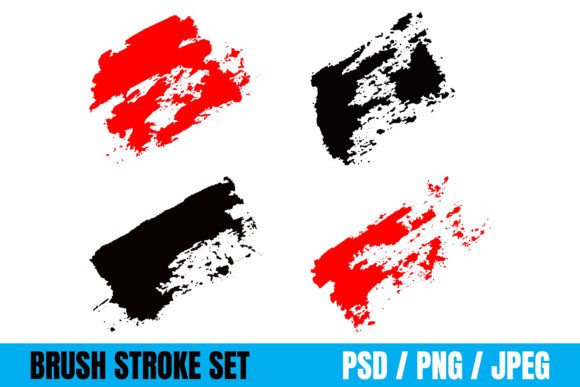
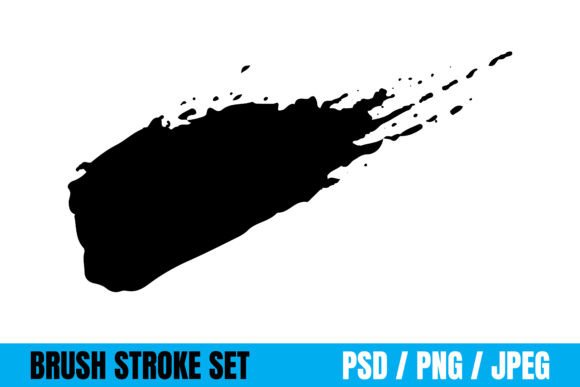
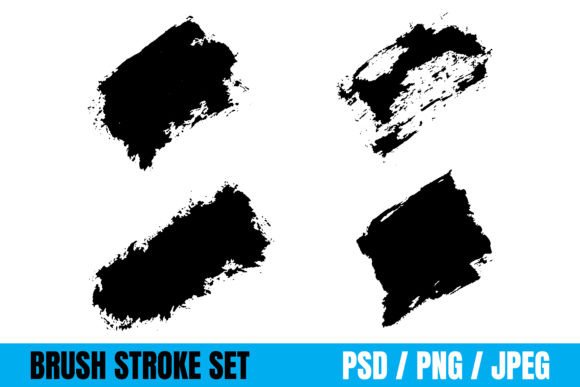
What makes Dirty Brushes so compelling? It is the ability to mimic the physical world within a digital canvas. When an artist dips a real brush into paint, the bristles splay, the pigment clumps, and the stroke varies in opacity. Digital tools can replicate this, but pre-made Grungy Brush Strokes offer a curated selection of these organic accidents. They capture the grit of street art, the wear and tear of vintage posters, and the spontaneous energy of a sketchbook.
These textures do more than just add visual noise; they add emotion. A clean logo might say "efficient," but a logo accented with a rough, dirty brush stroke can say "authentic," "bold," or "handcrafted." For creators who want to connect with audiences on a deeper, more visceral level, these strokes serve as a bridge between the polished digital realm and the tactile reality of physical materials.
Key Characteristics of High-Quality Brush Sets
Not all texture packs are created equal. When evaluating a set of Grungy Brush Strokes, it is essential to look beyond the thumbnail image. A truly versatile collection will offer a variety of stroke widths, opacities, and directional flows. Some brushes should mimic dry, scratchy marks, while others should resemble wet, bleeding ink. The best sets provide a spectrum of "dirtiness," allowing you to choose between subtle grain and aggressive splatter depending on your project's needs.
Furthermore, the format of these files is crucial for professional application. Many users struggle with raster images that lose quality when scaled. That is why the inclusion of EPS (Encapsulated PostScript) files is a significant advantage. EPS is a vector-based format that ensures your Dirty Brushes remain crisp and scalable at any size. Whether you need a tiny detail on a business card or a massive mural on a billboard, vector formats guarantee that the edges stay defined without pixelation. This flexibility is what separates hobbyist assets from professional-grade resources.
Practical Applications Across Industries
The versatility of Grungy Brush Strokes means they are not limited to a single niche. Their adaptability allows them to enhance a wide array of mediums. Let us explore some of the most effective ways to integrate these textures into your workflow.
Brand Identity and Logo Design
For business owners, a logo is the face of the company. While many brands strive for minimalism, those in the food, beverage, fashion, and entertainment sectors often benefit from a rugged aesthetic. Imagine a craft brewery logo featuring a hand-painted label effect using Dirty Brushes. The texture suggests tradition, fermentation, and a hands-on process. Similarly, a streetwear clothing line can use these strokes to convey rebellion and urban culture. By incorporating these elements, a brand can instantly communicate its values without saying a word.
Packaging and Product Labels
Shelf appeal is critical in retail. In a sea of glossy, mass-produced packaging, a box with a textured, grunge finish stands out. Dirty Brushes can be used to create borders, background washes, or accent marks on product labels. Think of artisanal coffee bags, hot sauce bottles, or eco-friendly soap bars. The rough texture reinforces the idea that the product inside is natural, unrefined, and made with care. It tells the consumer that this item was not churned out by a faceless factory.
Digital Media and Web Design
On the web, user attention spans are short. Visual interest is key to keeping visitors engaged. Grungy Brush Strokes can break up large blocks of text, highlight call-to-action buttons, or create dynamic backgrounds for landing pages. They are particularly effective for social media banners and website headers where you need to grab attention quickly. Unlike flat colors, these strokes add depth and dimension, making the interface feel more interactive and less static.
Craft Projects and Personal Stationery
For the DIY enthusiast, these assets are invaluable. You can print Dirty Brushes onto cardstock to create unique greeting cards, invitations, or scrapbook layouts. Because the files come in different formats, you can easily adapt them for T-shirt printing using heat transfer vinyl or screen printing techniques. The ability to scale the design without losing quality (thanks to the EPS option) ensures that your handmade goods look professional and high-end.
Navigating Limitations and Best Practices
While Grungy Brush Strokes are powerful, they must be used with intention. Overusing texture can lead to a cluttered, messy design that overwhelms the viewer. The goal is enhancement, not distraction. When integrating these elements, consider the balance between the texture and the content. If the background is too busy, ensure that the typography remains legible. Sometimes, a subtle overlay of a dirty brush at 10% opacity works better than a bold, opaque stroke.
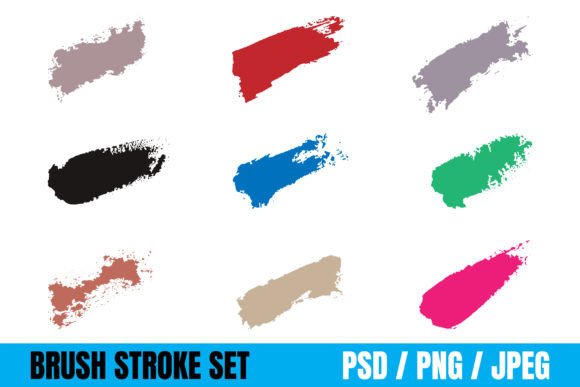
Another consideration is color harmony. Grunge textures often rely on neutral tones like black, grey, or sepia, but they can be colored to match any palette. However, applying vibrant colors to a dirty brush can sometimes clash if the underlying texture is too chaotic. It is often best to test the strokes in grayscale first to ensure the value contrast works before adding hue.
Additionally, while EPS files offer scalability, not all software handles them identically. Ensure your design software supports vector editing if you plan to modify the shape or color of the strokes significantly. For simple placement, raster formats like PNG or JPG included in the set may suffice, but always keep the vector source available for future scaling needs.
Evaluating Suitability for Your Project
Before downloading or purchasing a set of Dirty Brushes, ask yourself specific questions about your project goals. Does your brand voice align with a rugged, imperfect aesthetic? Is the target audience receptive to edgy or vintage styles? If you are designing for a medical or legal firm, a heavy grunge style might undermine the trust and cleanliness required. Conversely, for a music festival poster or a skateboarding brand, it is likely the perfect fit.
Also, consider the medium of delivery. Will this design be printed on matte paper, which absorbs ink differently than glossy stock? How will the texture translate to a small mobile screen? Understanding the end destination helps you select the right brush density and resolution. A high-resolution EPS file gives you the freedom to experiment, but knowing your constraints beforehand saves time in the editing phase.
Conclusion: Embracing the Raw Aesthetic
In a world increasingly dominated by algorithms and automation, the human touch is more valuable than ever. Grungy Brush Strokes and Dirty Brushes offer a way to inject personality, history, and authenticity into your creative work. From T-shirts and packaging to book covers and social media banners, these tools provide the texture needed to make a design memorable.
By choosing a set that includes versatile formats like EPS, you ensure that your creative possibilities are limitless. Whether you are refining a corporate logo or starting a new craft project, remember that perfection is not always the goal. Sometimes, a little bit of dirt, a splash of paint, and a rough edge are exactly what your project needs to shine. Embrace the imperfection, and let your designs tell a story that feels real, tangible, and uniquely yours.